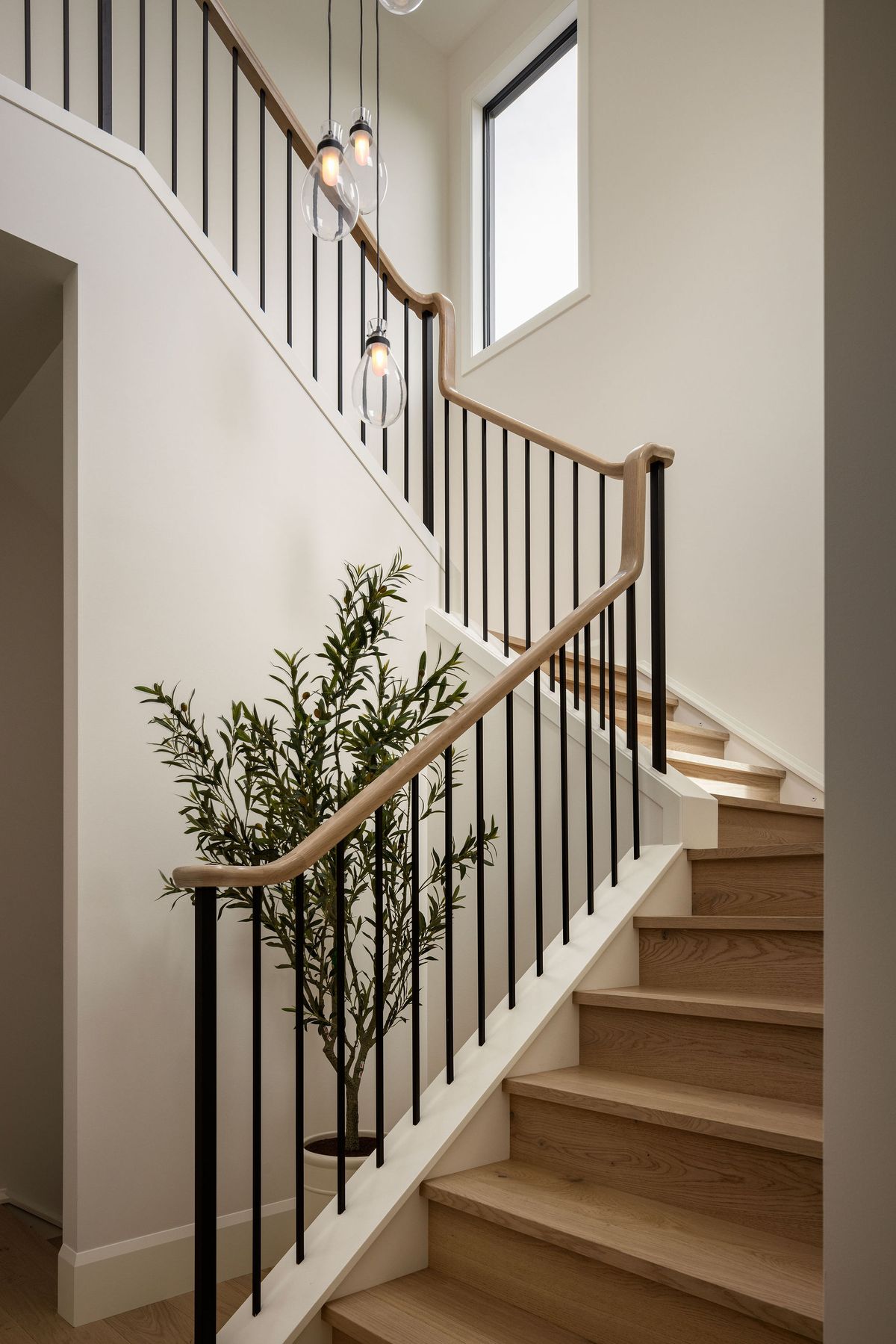
Selecting appropriate flooring for Western Canadian homes involves more than aesthetic preference. The region’s varied climate, from humid coastal areas to cold, arid interiors, significantly impacts how materials perform over time. Rexford Design’s interior team recommends balancing durability, comfort, and style based on your local conditions.
Understanding Western Canada’s Climate and Its Impact on Flooring
Western Canada’s climate varies dramatically across the region. Coastal areas like Vancouver experience mild, wet winters and cool summers, while interior cities such as Calgary and Edmonton face cold winters with dry air and considerably warmer summers. Failing to account for these factors can lead to expensive repairs or premature replacement.
- Coastal climate: High humidity and frequent rainfall require moisture-resistant flooring that prevents warping and mold
- Interior climate: Cold, dry winters and warm summers demand materials that withstand temperature fluctuations without cracking
Hardwood Flooring: Classic Beauty with Climate Considerations
Hardwood remains popular for its timeless appeal and warmth, but Western Canadian conditions require careful material selection.
Best Hardwood Types for Western Canada
- Oak: Durable with strong moisture resistance, suitable for both coastal and interior settings
- Maple: Hard and dense, handles dry air well but needs extra care in humid regions
- Hickory: Resists dents and scratches effectively, ideal for high-traffic areas with pets or children
While hardwood can work in bathrooms and entryways with proper sealing, engineered hardwood offers superior moisture resistance through its layered construction and is often the better choice for damp or high-traffic entry areas.
Use humidifiers during dry winters and dehumidifiers during rainy seasons to minimize warping and cracking. Consistent humidity control is the single most important factor in hardwood longevity.
Laminate Flooring: Affordable and Practical
Modern laminate flooring has improved significantly in quality and design versatility. It effectively mimics hardwood or stone while offering superior scratch and moisture resistance at a lower price point.
- Moisture resistance: Water-resistant cores make modern laminates suitable for kitchens and bathrooms
- Cost-effective: Generally less expensive than hardwood, especially for larger renovations
- Easy installation: Floating floor systems enable faster installation with minimal disruption
Coastal homeowners should prioritize enhanced water-resistant laminates. Interior homes benefit from thicker wear layers that handle temperature variation better over time.
Other Options Worth Considering
Luxury Vinyl Plank (LVP)
Excellent water resistance and durability make LVP a strong choice for bathrooms and kitchens. Modern LVP successfully replicates hardwood aesthetics without any moisture vulnerability, and at a price point that leaves room in the budget for other finishes.
Tile
Ceramic or porcelain tile excels in bathrooms and handles moisture with ease. The main drawback is thermal comfort, as tile feels cold in winter unless paired with radiant in-floor heating, which pairs beautifully with tile and is worth considering during a renovation or new build.
Carpet
Less suitable for wet or high-traffic spaces, but carpet provides genuine comfort and warmth in bedrooms and living rooms. Moisture-wicking, stain-resistant options have improved considerably and can be appropriate in the right context.
Flooring by Room
- Living room: Hardwood or premium laminate creates a warm, inviting atmosphere. Area rugs add softness while protecting floors from heavy use
- Bathrooms: LVP and tile are the safest choices. Engineered hardwood can work with proper sealing and maintenance
- Entryways and mudrooms: Durable laminate, tile, or textured LVP provides slip resistance and handles dirt, water, and constant traffic without showing wear quickly
- Bedrooms: Hardwood, laminate, or carpet depending on comfort preference and budget
“Match your materials to your climate zone first, then your lifestyle. Aesthetics should come third, as the right material will look great and still be performing a decade from now.”
Successful flooring selection starts with understanding what the climate will ask of your materials. If you’re building new or renovating, our design team is happy to walk through your options and help you make a decision you’ll be glad about for years to come.