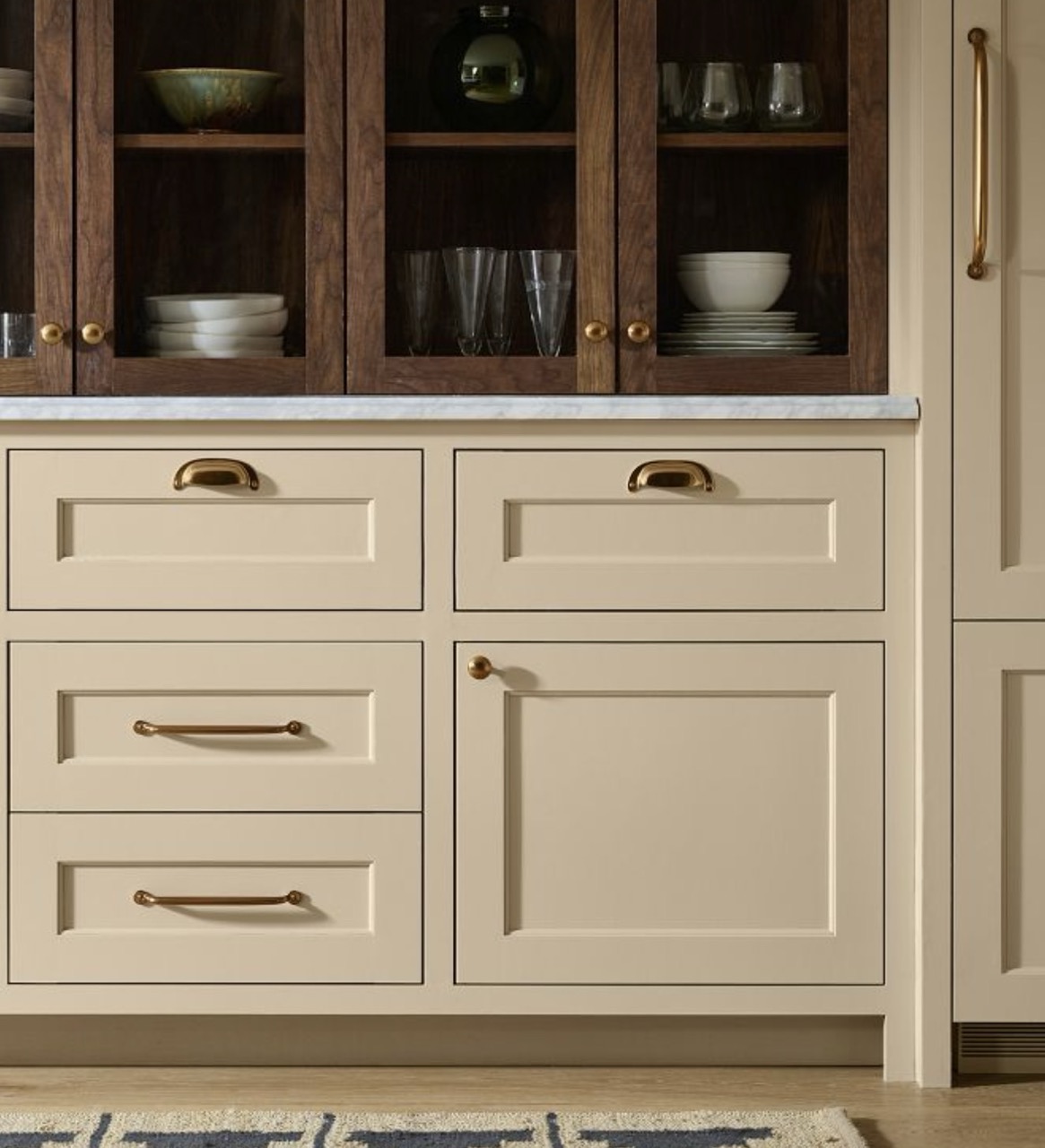
Kitchen renovations can enhance your home’s functionality and appeal, though many homeowners find the process challenging. Interior designers offer insights that help minimize time, costs, and stress. Here are five expert recommendations for creating a kitchen that balances aesthetics with practicality.
1. Plan Your Layout Around How You Actually Use the Space
Successful kitchen design begins by evaluating your daily patterns, including how you cook, how your family uses the space, and how often you entertain. Before anything else, think through three things:
- Work triangle: Arrange the sink, stove, and refrigerator so you’re not walking unnecessary distances while cooking
- Zones: Establish distinct areas for cooking, prepping, cleaning, and storage
- Traffic flow: Keep appliances and cabinets out of high-traffic pathways
If you prepare large meals regularly, prioritize generous counter space near cooking and cleaning stations. If you host frequently, consider an open layout with an island that serves multiple purposes.
2. Choose Cabinets That Balance Style and Function
Cabinets represent one of the largest investments in a kitchen renovation, as they define both the aesthetic and the storage capacity of the space. Key factors to consider:
- Material and finish: Solid wood offers longevity and timeless appeal; laminate and painted finishes are budget-friendly and adaptable
- Storage solutions: Pull-out shelves, deep drawers, and corner carousels make a real difference in daily use
- Hardware: Handles and knobs should align with the kitchen’s style while feeling comfortable to use every day
Shaker-style cabinets with soft-close hinges are a popular choice for good reason, as they combine classic design with contemporary convenience and age well over time.
3. Select Countertops That Fit Your Lifestyle
Countertops function as both workspace and design statement. The right material depends on how intensively the kitchen gets used and what level of maintenance you’re prepared for.
- Durability: Quartz and granite resist scratches and staining, making them ideal for high-use kitchens
- Maintenance: Laminate and solid surfaces require less upkeep but offer reduced heat resistance
- Aesthetics: Coordinate colours and patterns with your cabinetry and backsplash selections before committing
“White quartz pairs elegantly with darker cabinets for a contemporary look. Butcher block adds warmth for a more rustic feel, just plan for periodic sealing.”
4. Treat Lighting as a Core Design Element
Quality lighting enhances both function and atmosphere in a kitchen. Designers consistently recommend a layered approach:
- Ambient lighting: Overhead fixtures supply general illumination throughout the space
- Task lighting: Under-cabinet lights illuminate work surfaces, including countertops, sinks, cutting areas
- Accent lighting: Pendant lights and LED strips emphasize architectural features and create ambiance
Dimmable LED lighting lets you adjust brightness depending on whether you’re cooking or relaxing, a small detail that makes a meaningful difference in how the room feels.
5. Plan for Construction Details Early to Avoid Delays
Renovation projects frequently stall because of overlooked details. Address these before the project starts:
- Permits and codes: Verify local requirements for electrical, plumbing, and structural work
- Appliance sizing: Measure appliances before ordering cabinets or countertops
- Material lead times: Custom cabinets and specialty tiles often have extended delivery timelines, so order early
Clear communication with your contractor and designer regarding these specifics prevents expensive corrections later. Confirming details like countertop edge profiles and sink cutout dimensions before fabrication is the difference between a smooth project and an expensive redo.
Rexford Design is an architectural drafting and interior design studio in Chilliwack, working across BC and Alberta. Drafting and design under one roof. If a kitchen renovation is on your list, our interiors team can help you resolve the layout, cabinets, and details on paper before the first wall comes down. Get in touch.