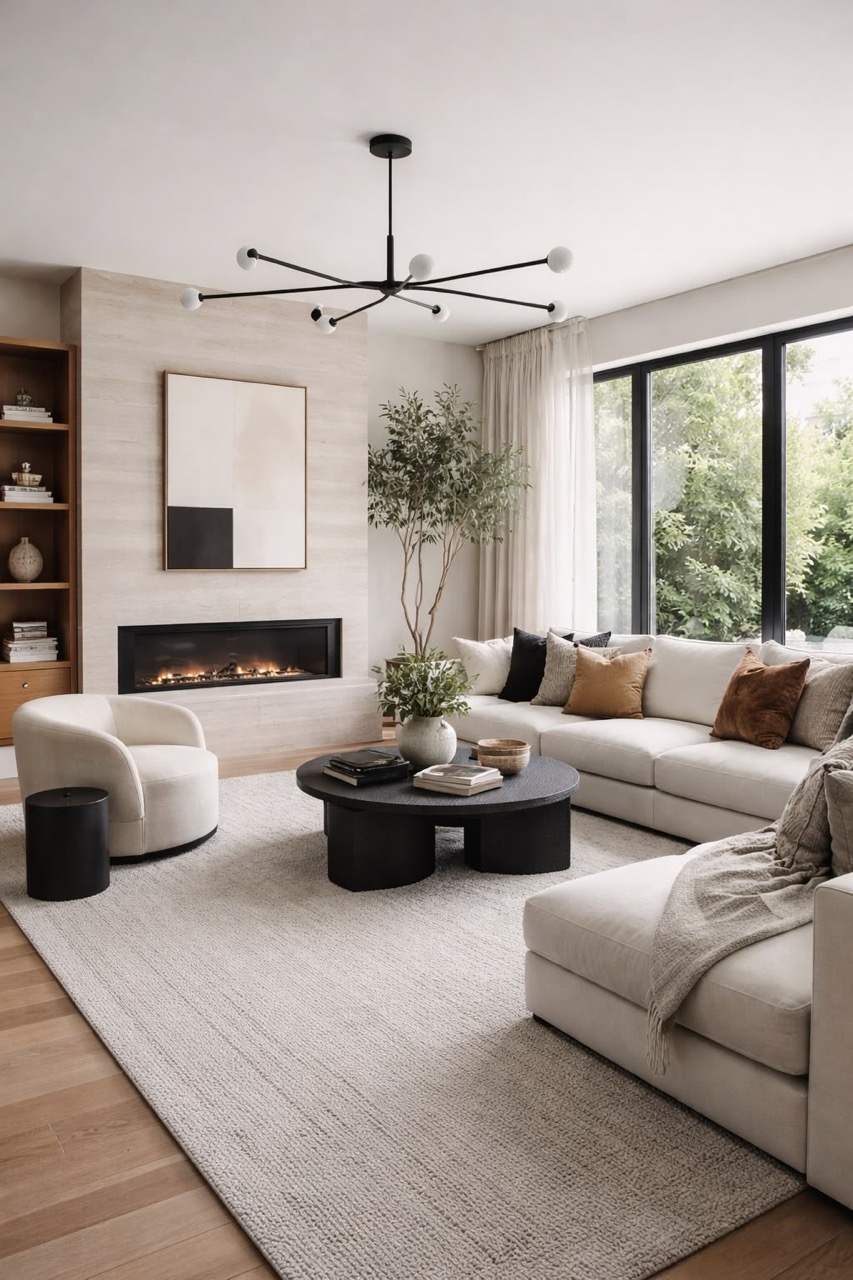
Adding a secondary suite to your home can be a smart move for many homeowners. It offers extra living space, potential rental income, and increased property value. A secondary suite, sometimes called a basement apartment, in-law suite, or garden suite, is a self-contained living area within your home or on your property.
Why Consider a Secondary Suite?
Many homeowners view a secondary suite as a “mortgage helper” through rental income. But beyond the financial upside, it enables multi-generational living arrangements, provides flexible guest accommodation, and can be a cost-effective way to expand your home without relocating. Renovations that add a secondary suite also present an opportunity to upgrade kitchens and interior finishes throughout.
Key Factors to Evaluate Before Starting
- Local zoning and building codes: Verify whether secondary suites are permitted in your area and what permits are required
- Space and layout: Determine the optimal location, whether basement, above-garage, or a ground-level addition
- Privacy and access: A separate entrance and adequate soundproofing between units are non-negotiable for a functional rental
- Budget: Include costs for plumbing, electrical, heating, and finishes, as these add up quickly in a secondary suite
- Impact on resale value: Research how suites affect local property values; in most BC and Alberta markets, the impact is positive
Tips for Designing a Functional Secondary Suite
Plan Efficient Use of Space
Secondary suites demand careful planning because square footage is limited. Open floor plans maximize perceived space, and combining living and kitchen areas makes a small suite feel considerably larger.
Include a Proper Kitchen
A fully functional kitchen is essential. A basic setup with stove, sink, and refrigerator enables independent living. Modern, space-saving appliances and well-organized cabinetry make the difference between a suite that rents easily and one that doesn’t.
Focus on Interior Design Details
Strategic design makes compact spaces feel welcoming. Light colours and mirrors brighten interiors. Durable, easy-to-clean flooring and countertop materials prove practical in rental contexts. Built-in storage keeps clutter off surfaces and makes the space feel intentional.
Ensure Proper Lighting and Ventilation
Natural light improves mood and makes a space feel larger. When windows are scarce, as in many basement suites, layered lighting through ceiling fixtures, task lamps, and accent lighting compensates effectively. Adequate ventilation is critical for air quality and occupant comfort.
Soundproofing Matters
Since suites share walls, floors, or ceilings with the primary residence, noise reduction is important for both parties. Proper insulation, double drywall, and acoustic panels between units are worth the investment early in construction, as retrofitting soundproofing is significantly more expensive.
Common Challenges and How to Overcome Them
- Permit delays: Begin applications early and engage professionals familiar with local regulations. See what BC permit drawings need to include →
- Budget overruns: Establish a realistic budget with a contingency fund of at least 10–15%
- Design compromises: Prioritize essentials (separate entrance, full kitchen, soundproofing) while remaining flexible on secondary finishes
- Tenant management: Create clear rental agreements and implement thorough tenant screening before renting
“Careful design, regulatory compliance, and thorough planning yield lasting results and a space that feels like home for everyone.”
At Rexford Design, we design secondary suites with the same attention we bring to every project, functional, well-planned, and detailed to a standard that holds its value. Drafting and design under one roof. If you’re weighing whether a suite makes sense for your property, we’re happy to talk through the options. Request a quote for your secondary suite drawings →